
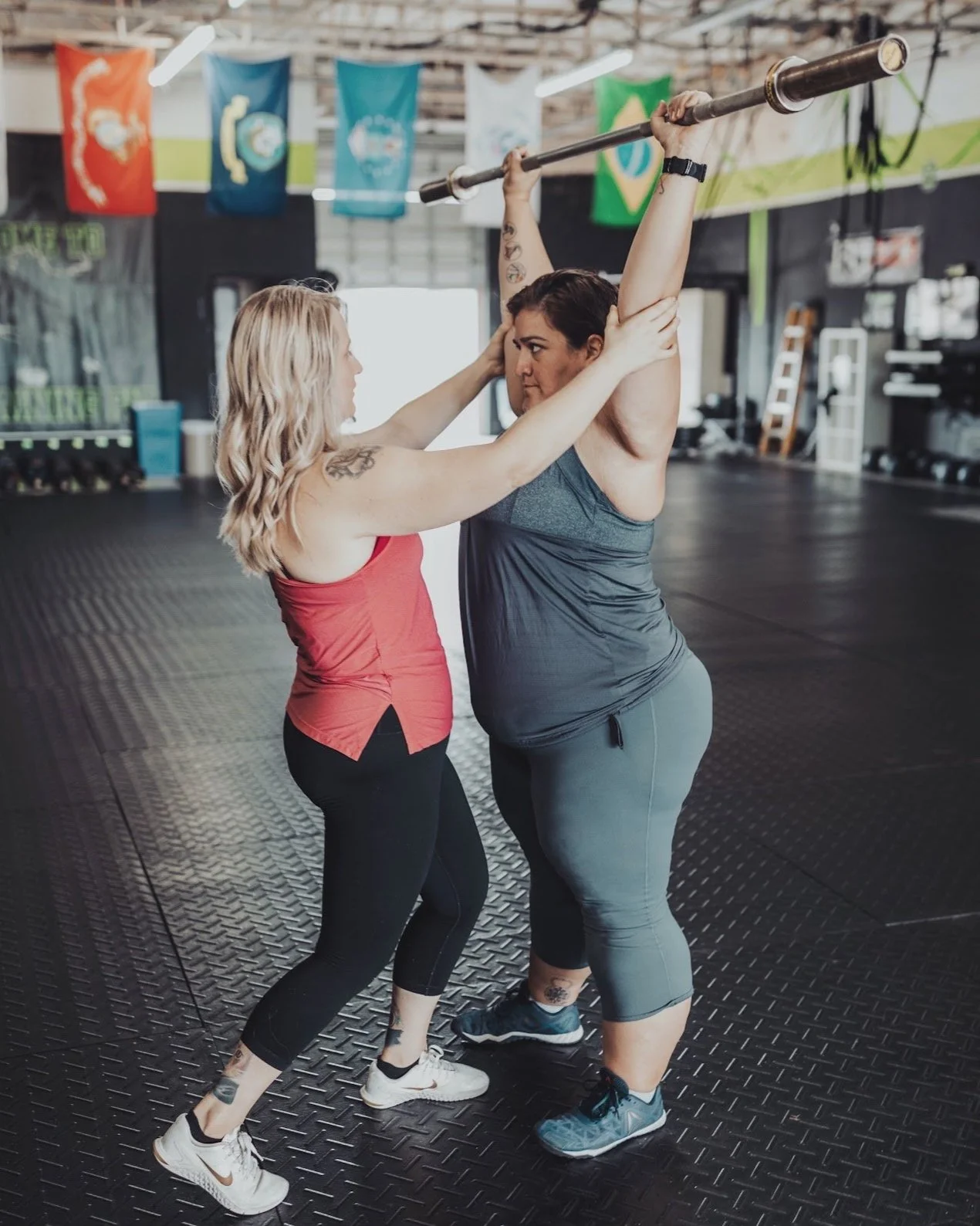
When Can I Start DOING After My Surgery?
I get it. You’ve read the Google results and seen the complications that can happen after surgery. You want to know how to keep yourself safe.
Your doctor says you’re cleared, but you’re not sure exactly what that means. Cleared for what?
And when? And how much?
The short answer is that it depends.
The long answer is that you have to break the activity down into its parts and look for pressure management and movement compensations.

How Can You Recover Faster?
The modern world puts a lot of pressure on us.
We have 6 weeks to recover, at best, then it’s back to work...
Back to exercise...
Back to family obligations...
All of it.
This hurried mindset is never going to work.

Weak Vs. Tight Pelvic Floor - What’s The Difference?
Most people assume (understandably) that leaking, pelvic pain or prolapse = weakness.
Our muscles function best when they can fully expand AND fully contract. A tight pelvic floor = a pelvic floor that is chronically contracted. Because it’s never moving through a full range of motion, this can lead to weakness over time, BUT the first priority of treatment is relaxation.
This is one of the things I see go wrong most often after a hysterectomy. Kegels are prescribed too soon, too much, and without anything to help relaxation.
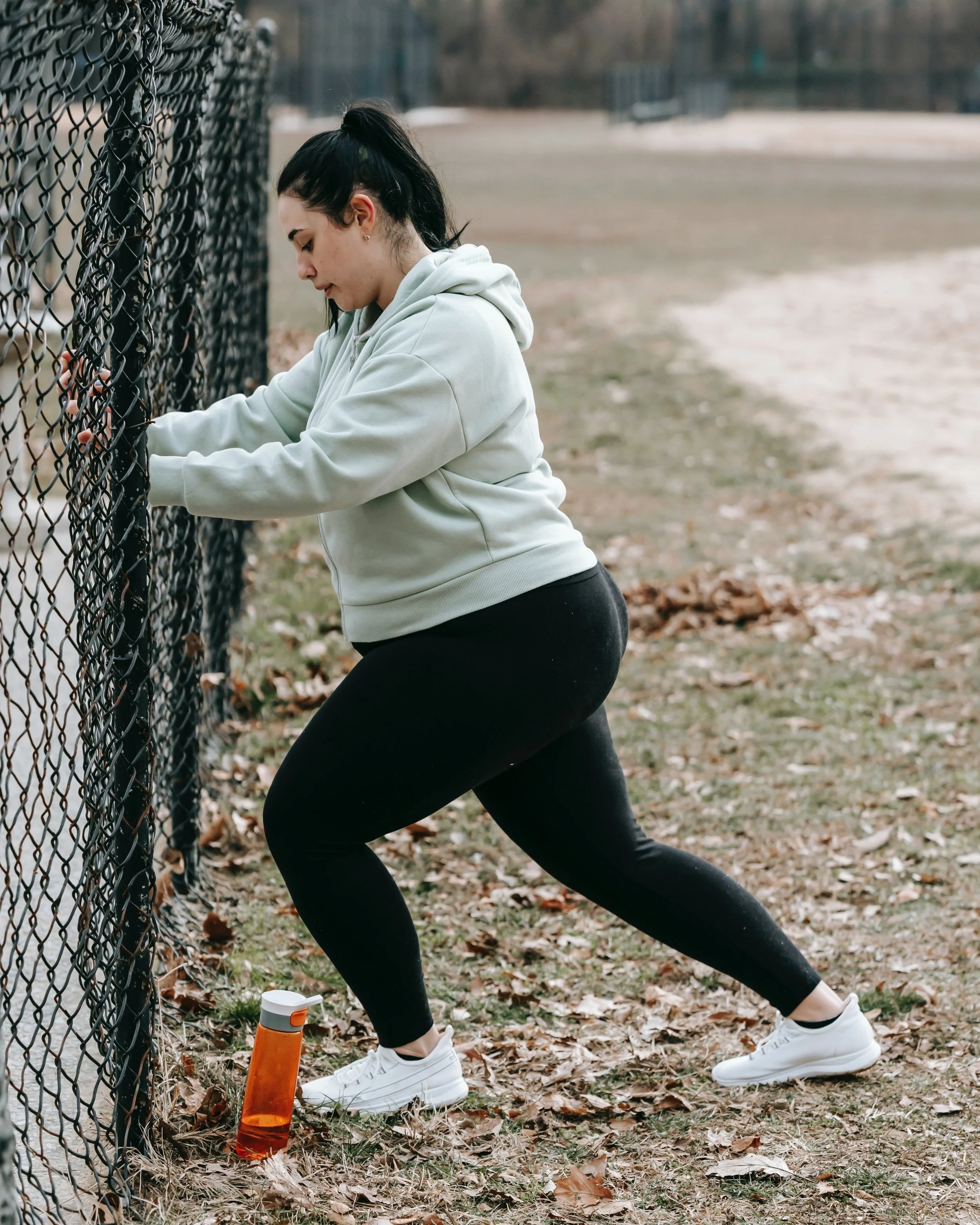
You Probably Don't Need Kegels After Your Hysterectomy…
When you hear pelvic floor, do you immediately think "kegels"?
Yep. Most people do! So they just start doing them, assuming that hysterectomy = weak pelvic floor.
It actually doesn't always work that way, and kegels can sometimes worsen the bladder symptoms, pain, and tightness that can happen after a hysterectomy. Especially in the immediate healing period.
So what should you do instead of kegels? Here are 3 tips!